Somatic Therapy in Los Angeles: How to Find the Right Fit
If you are searching for somatic therapy in Los Angeles, you are already asking a better question than most people do when they start looking for a therapist. You are not just asking who has availability. You are asking what kind of therapy actually works for what you are carrying, and whether the person sitting across from you, even virtually, knows how to help your nervous system shift, not just your thinking.
That question deserves a real answer.
What somatic therapy actually is
Somatic therapy is a body-based approach to treating anxiety, trauma, and chronic stress. The word somatic comes from the Greek word for body, and the approach is built on one foundational insight: the nervous system stores stress and trauma physically, not just in memory or thought.
This is not a fringe position. Dr. Peter Levine, who developed Somatic Experiencing, spent decades documenting how the body holds unresolved stress responses, particularly the freeze and shutdown patterns that follow overwhelming experiences. Dr. Bessel van der Kolk's clinical research showed that trauma lives in the body's physiology, not just in the stories people tell about it. Dr. Stephen Porges, whose polyvagal theory changed how clinicians understand the nervous system, demonstrated that your capacity for connection, focus, and regulation is determined by your nervous system state, and that state is not simply a matter of deciding to feel better.
Somatic therapy works with this science directly. Instead of only addressing what you think and believe, it works with what your body does: where you hold tension, how you breathe, what happens in your chest when stress hits, and how your system responds when it finally has enough safety to settle.
Why Los Angeles creates a specific nervous system challenge
LA does not make regulation easy. The city runs on performance, visibility, and output. The entertainment industry, the creative economy, the constant visibility that social media amplifies in a town built on image: all of it produces a nervous system profile that shows up in therapy again and again.
High-achieving people in LA often present with what looks like anxiety but functions more like a system that never learned how to come down from high alert. They are productive, articulate, and self-aware. Many have already done talk therapy, sometimes years of it. They understand their patterns intellectually. The problem is that understanding a pattern and being free of it are not the same thing.
Somatic therapy addresses that gap. It works at the level where the pattern actually lives: in the automatic responses of the nervous system, not in conscious awareness alone.
What to look for in a somatic therapist in LA
Not everyone who uses the word somatic is trained in it. In California, the therapy market is large and terminology gets borrowed freely. Here is what actually matters when you are evaluating someone.
Specific training in a recognized somatic modality
Look for training in Somatic Experiencing (Peter Levine), Sensorimotor Psychotherapy (Pat Ogden), or a similarly structured body-based clinical approach. These have specific training pathways and supervised hours. General wellness certifications do not qualify.
A clinical license
In California, a somatic therapist should hold an LCSW, MFT, or psychologist license. Licensure means your therapist is held to ethical standards, carries malpractice insurance, and completed supervised clinical hours. It also means you have recourse if something goes wrong.
A clear, science-grounded explanation of the work
A good somatic therapist can explain what they do without relying on vague language. They should be able to tell you how they work, what a session looks like, and what the research supports. If the explanation is heavy on energy language and light on clinical grounding, note that.
Session length that supports the work
Somatic work takes time. Nervous system regulation does not happen in 45 minutes, particularly for people whose systems have been running in high alert for years. A 60-minute session with optional time for grounding is not padding. It gives your system enough time to actually move through something, not just open it up and close it back down.
Does virtual somatic therapy work?
This is one of the most common questions from LA clients, especially those who have done in-person somatic work before and are skeptical the work translates to a screen.
It does. The research on telehealth effectiveness is strong across anxiety, PTSD, and mood disorders. For somatic work specifically, what matters is not physical proximity but attunement: the therapist's ability to track your nervous system state through facial expression, breath, posture, and pace. A skilled somatic therapist does this effectively over video.
There are also practical advantages specific to LA. No commute across three freeways. No parking. No scheduling friction that quietly becomes a reason to cancel. For people whose nervous systems are already running hot, removing barriers to showing up consistently is not a minor thing.
What somatic therapy is not
It is not massage, bodywork, or any form of physical touch. Virtual somatic therapy is entirely awareness-based, working with attention and internal experience.
It is not a quick fix. The nervous system changes through repeated experience, not single breakthroughs. Sustainable regulation develops over months. Any therapist who implies otherwise is worth approaching skeptically.
It is not incompatible with other approaches. Many clients come to somatic therapy after years of CBT or insight-based work. The two are not in competition. Somatic therapy addresses what those approaches often leave untouched.
How to evaluate fit in a consultation
A 15-minute consultation is not long enough to fully assess a therapist, but it is long enough to notice a few things that matter.
Do they ask about your body, your nervous system, or your physical experience of stress? Or only about your history and thoughts?
Can they explain their approach clearly and specifically?
Do you feel heard, or do you feel processed?
Does their clinical framing make sense to you?
You are not looking for someone who makes you feel immediately better. You are looking for someone whose approach is grounded and whose presence feels like it could be trusted over time.
Working together
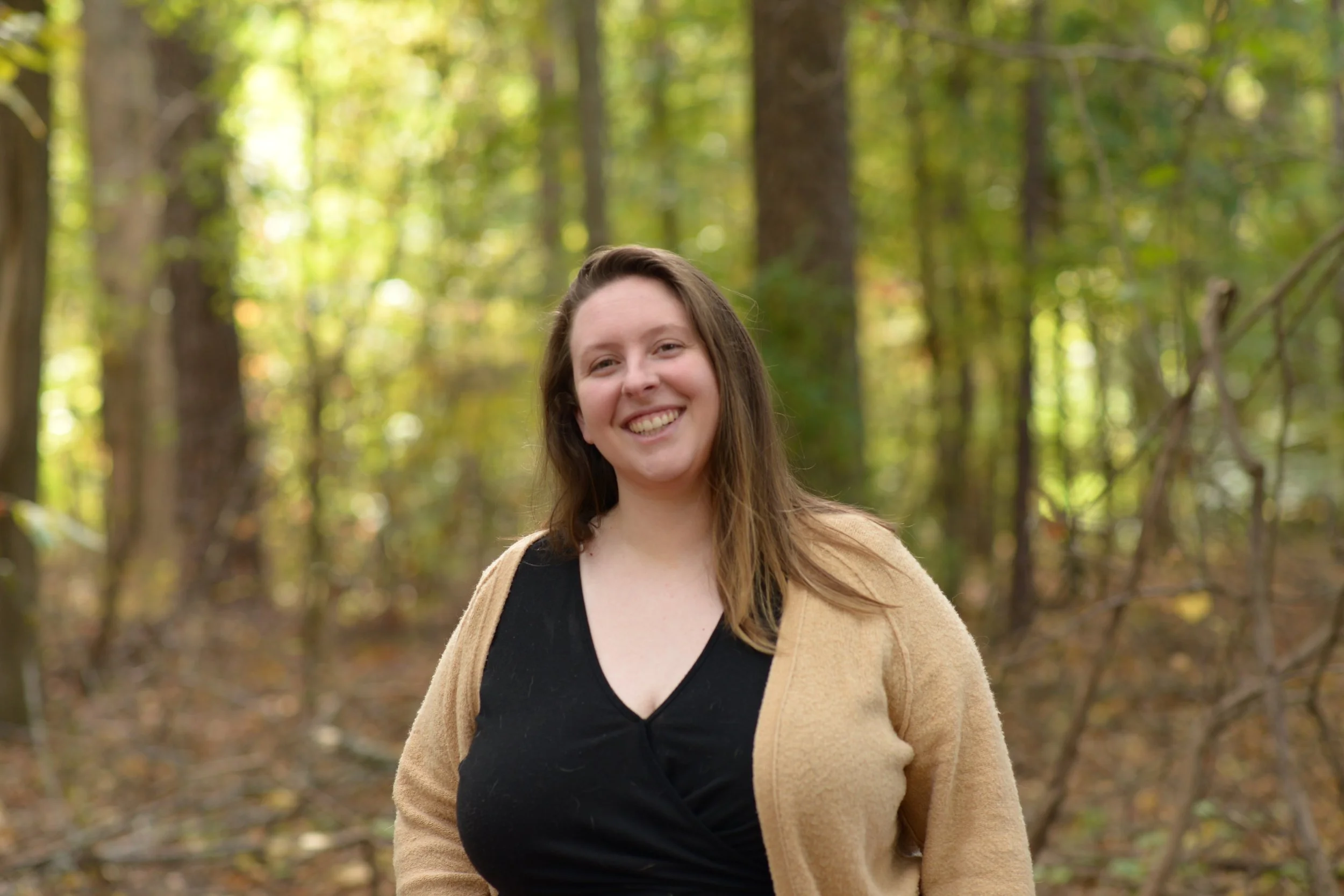
I am Katie Hargreaves, LCSW, LCAS. I offer somatic therapy for high-achieving adults navigating anxiety, burnout, and stress that has not resolved through insight alone. My work is grounded in Somatic Experiencing, polyvagal theory, and the research of Peter Levine, Bessel van der Kolk, Pat Ogden, and Stephen Porges. Sessions are 60 minutes, fully virtual, and private pay.
Book a free 15-minute consult to discuss working together.
ABOUT THE AUTHOR
Katie Hargreaves, LCSW, LCAS, is a somatic therapist offering virtual therapy for high-achieving adults in North Carolina and California. Her clinical approach is grounded in Somatic Experiencing, polyvagal theory, and the research of Peter Levine, Bessel van der Kolk, Pat Ogden, and Stephen Porges. She works with adults navigating anxiety, burnout, and stress patterns that have not responded to insight-based approaches alone. Sessions are 60 minutes, fully virtual, and private pay. Learn more at katiehargreavestherapy.com.