Somatic Therapy in Los Angeles: What It Is and How to Get Started

If you've been looking into therapy in Hollywood and keep landing on somatic therapy, you're probably wondering what actually happens in those sessions, and whether it's meaningfully different from what you've already tried.
It is. Here's what you need to know.
What Somatic Therapy Is
Somatic therapy is a body-aware, nervous system-focused approach to treating anxiety, trauma, and chronic stress. The word somatic means relating to the body, as opposed to the cognitive processing that standard talk therapy focuses on.
In practice, that means sessions involve noticing what happens in your body as you talk. Where tension holds. How your breath changes when something difficult comes up. What shifts when something resolves. Those physical responses are information, and somatic therapy works with them directly rather than treating them as background noise.
It's not yoga. It's not breathwork. It's not movement-based. Virtual somatic therapy is entirely conversational and for the most part you stay in your chair. The work is in the attention, not the activity.
If you want the full clinical framework behind somatic approaches, the research, the neuroscience, the difference between Somatic Experiencing, Sensorimotor Psychotherapy, and polyvagal-informed work, the Nervous System Guide for Anxiety covers all of it.
Why Hollywood, LA Clients Come to Somatic Work
There's a particular presentation I see often in Hollywood and across LA. High-achieving women who are functioning well externally, meeting deadlines, running things, showing up for everyone, and who feel relentlessly tense internally.
Not falling apart. Not having breakdowns. Just never fully landing.
The standard therapy approach for this is cognitive: identify the distorted thoughts, reframe them, build better patterns. And that helps, up to a point. The problem is when the anxiety lives in the body through chronic jaw tension, shallow breathing, a gut that knows something is wrong before your brain catches up. Cognitive work alone can't reach it.
That's the ceiling somatic therapy is designed to move past. Anxiety therapy in Los Angeles that includes somatic work addresses the nervous system underneath the symptom patterns, not just the story on top.
What a Session Looks Like
Sessions are 75 minutes. That extra time matters — the nervous system doesn't move on a stopwatch, and somatic work needs enough space to go somewhere and return.
A session typically involves:
Tracking — paying attention together to what's happening in your body as you talk. Not analyzing it, not explaining it away. Just noticing.
Titration — approaching difficult material in small, manageable steps so your nervous system stays within its window of tolerance. Activated enough to process, not so activated that you flood and shut down.
Resourcing — building your capacity to access regulated states, so you have something to come back to when activation gets high.
Regulated close — ending with enough time to return to baseline. You don't leave mid-process.
None of this requires you to be dramatically expressive, to cry, to relive traumatic events in detail, or to do anything that feels unsafe. The work is paced to your system, not to a script.
Who This Work Is For
Somatic therapy in Los Angeles tends to fit people who:
Have done talk therapy and understand their anxiety intellectually, but still feel it in their body
Experience chronic tension, shallow breathing, or physical symptoms that don't have a clear medical cause
Describe themselves as always "on," always bracing, unable to fully rest even when nothing is wrong
Are ready to work at the nervous system level rather than just building more cognitive insight
This is private-pay work at $275 per 60-minute session. If you're in NC rather than LA, the same approach is available through somatic therapy in North Carolina at $250 per session.
How to Get Started
Book a free 15-minute consultation. It's a conversation, not a blood-oath. By the end of it, you'll know whether what I do fits what you're looking for. And if you want more information on finding the right fit in a somatic therapist look no further.
Book your free consultation here.
About the Author
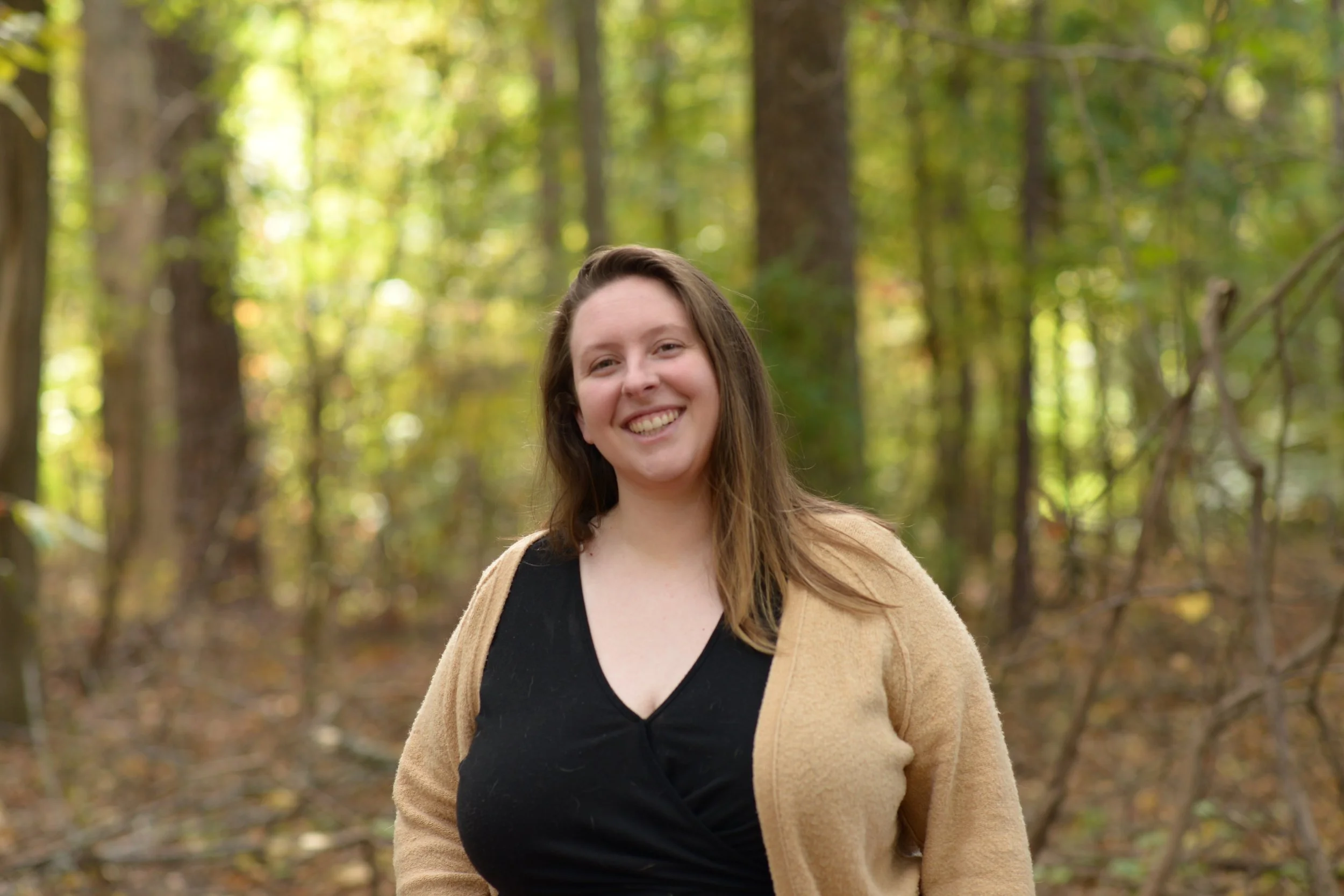
Katie Hargreaves, LCSW, LCAS, is a somatic therapist in Hollywood, CA, licensed in California and North Carolina. She works with high-achieving women treating anxiety and nervous system dysregulation through body-based, research-informed therapy. Sessions are 75 minutes, private pay, and fully virtual for NC clients. Learn more about her approach to somatic therapy and anxiety therapy.