

About Katie Hargreaves, LCSW
Somatic Therapist in Los Angeles, CA
You understand yourself, but insight alone isn't enough.
You've done the work. You've read the books. You can name your patterns, your attachment style, the family dynamic that shaped how you move through the world. You understand yourself with a depth most people don't reach.
And the anxiety is still there. The overthinking still runs in the background. The tension still lives in your chest. You go to bed exhausted and wake up bracing for something.
This is the place most people land before they find somatic work. The insight ceiling. The moment when understanding stopped translating into change.
It's not that you missed something or didn't go deep enough. It's that insight lives in the mind, and the part of you that is still bracing lives in the body. Until the body learns safety, the mind cannot think it into being.
That’s where somatic therapy excels.
A Bit About Me
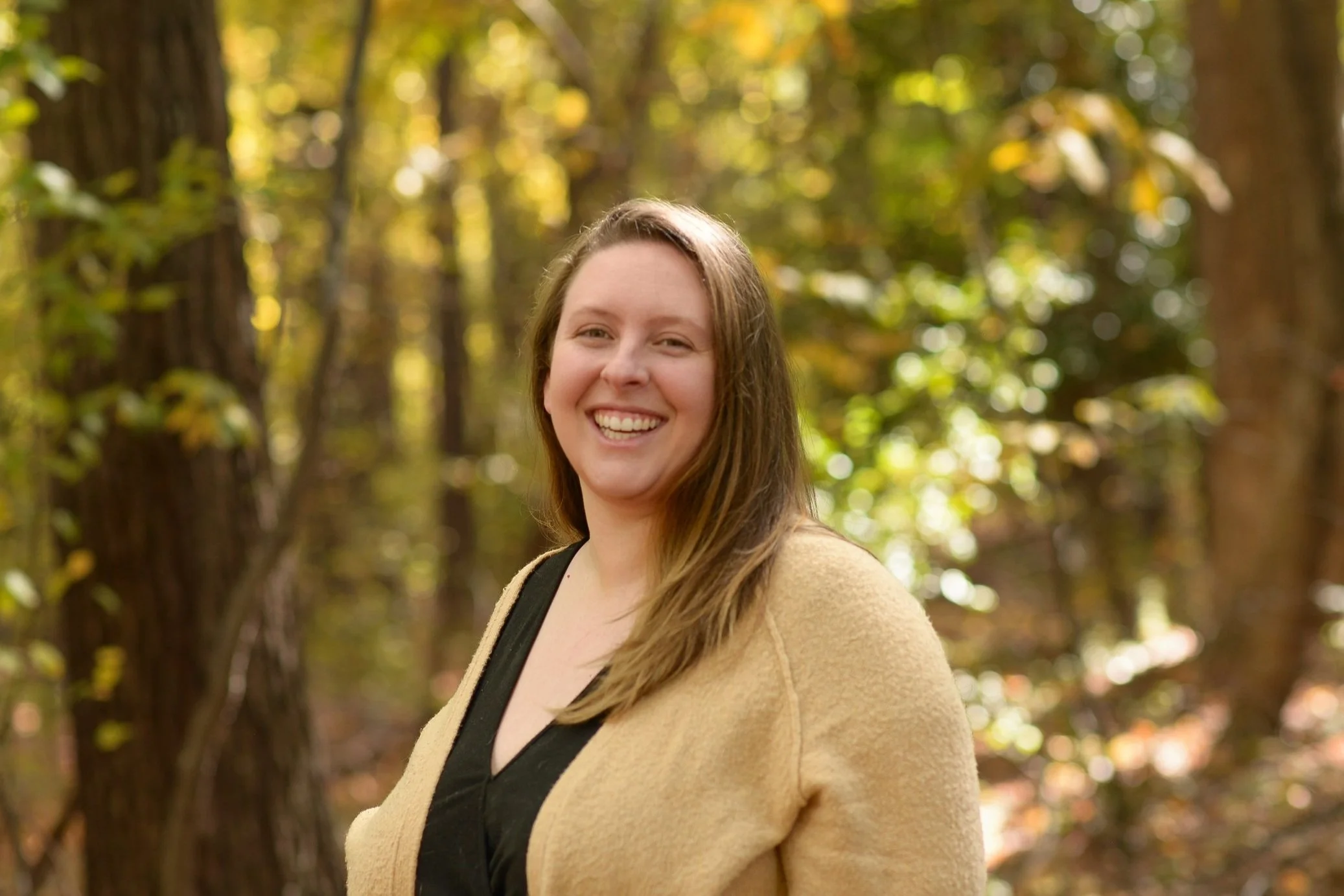
I'm Katie Hargreaves (she/her), a somatic therapist licensed in California and North Carolina. I've been practicing therapy for six years, with 4,000+ sessions in nervous system-focused, body-based work. Before private practice, I spent six years in the broader social work field doing case management and wilderness therapy.
I keep my practice small by design. A limited number of clients at a time, longer sessions, unhurried work. Not a slot in a packed schedule. Yours.

Why I work this way
I resolved clinical anxiety myself. That's not a detail I include for relatability. It's the reason I practice the way I do.
At one point I stepped away from traditional therapy entirely. Insurance constraints, rigid session limits, approaches that kept clients in their heads. I wanted to understand what actually creates change, not just what manages symptoms.
I spent that time studying nervous system regulation, somatic approaches, and the body-based research that most clinical training programs don't cover. Stephen Porges' polyvagal theory. Peter Levine's Somatic Experiencing framework. Pat Ogden's work on sensorimotor processing. I came back to practice with a different understanding of what healing actually requires.
Anxiety is not primarily a thinking problem. It's a physiological state. And until the body feels safe, no amount of insight changes that.
For many people, that shift touches something they didn't expect. Something quieter and steadier underneath all the noise.

How I Practice
Most therapy is built around what's efficient for the provider. Fifty-minute sessions. A full caseload. Back-to-back days. I built my practice around what the nervous system actually needs.
Sessions are 60 minutes, with up to 15 additional minutes for grounding when you need it, at no extra charge. I keep a limited caseload so I can show up regulated for every session. Co-regulation isn't a technique here. It's the foundation of the work.
Everything is virtual, statewide in California and North Carolina. No insurance panels. Private pay, with superbills available for out-of-network reimbursement. You can estimate your reimbursement.
Who I Work With
I work with professionals, creatives, and entertainment industry clients who look like they have it together and don't feel like they do. Many have been in therapy before. They understand their patterns. What they're missing is the felt shift, the moment when understanding actually becomes different.
I serve clients throughout California, including somatic therapy in Los Angeles, and across North Carolina, including anxiety therapy Chapel Hill.
Read more about working with creatives and performers in LA and the specific pressures tied to performing for a living.
Training & Credentials
California: LCSW 138861
North Carolina: LCSW C015197
Six years in private practice and 4,000+ sessions, following twelve years in the broader social work field, including case management and wilderness therapy.
Outside of Sessions
I'm based in Los Angeles.
When I'm not working, I'm usually with friends, drinking too much tea, or at Griffith Park Observatory. I keep learning so I can show up better for the people I work with.
When you’re ready
You don't have to arrive with the answer. You don't have to know what to say first. The first step is just a conversation, fifteen minutes, no charge. If it's a good fit, we go from there. If it isn't, I'll point you toward someone who is.