
LGBTQ+ Affirming Therapy in Los Angeles
Online LGBTQ+ affirming somatic therapy for adults anywhere in California, with Katie Hargreaves, LCSW
Where your identity is celebrated, not a workaround.

Finding affirming care as an LGBTQ+ person in Los Angeles can be exhausting. This city has more queer visibility than almost anywhere. Pride is a major event. WeHo is so alive. On the surface, it looks like you should be fine.
But visibility and safety are not the same thing. You can be publicly out and privately dysregulated. You can live in one of the most LGBTQ-friendly cities in the country and still carry the chronic vigilance of someone who learned early that existing as you are comes with a cost.
And finding a therapist who actually gets that, not just one who lists pronouns in their bio, is still harder than it should be.
This practice is explicitly LGBTQIA2S+ affirming. Not as a marketing badge. As the foundation of how I work. You will not need to educate me on your identity. You will not need to soften your experience. We start from genuine understanding and get to work.
What brings LGBTQ+ clients to therapy in LA
Queer and trans people come to therapy for every reason anyone else does: anxiety, burnout, relationship stress, life transitions, grief. But the texture of those experiences is often shaped by identity in ways a non-affirming therapist will miss entirely.
Minority stress and identity-based anxiety.
Living as an LGBTQ+ person means navigating ongoing threat to rights, to safety, to belonging, even in a city as visible as Los Angeles. The hypervigilance that produces is not irrational. It is a nervous system response to real conditions. Somatic therapy helps you find regulation without minimizing the context your body is responding to. If anxiety is the primary thing you are working with, the anxiety therapy page goes deeper into that specific experience.
The gap between visibility and internal experience.
LA rewards the performance of thriving. You can be out, connected, proud, and still privately exhausted by what it costs to hold all of that together. The gap between how your life looks and how it feels is a specific kind of loneliness. That belongs in the therapy room.
Gender dysphoria and transition-related stress.
Whether you are questioning your gender, actively transitioning, or years into your journey, the internal and external pressures are significant. I work with clients through every stage, including the grief, the joy, the family dynamics, and the healthcare navigation.
Gender-affirming care letters.
I am trained and qualified to write letters supporting gender-affirming medical care, including hormone therapy and surgical procedures. If you need a therapist who can support your transition medically as well as emotionally, I can help with both.
Coming out at any stage.
Coming out is not a single moment. It is ongoing: to new people, new employers, new partners, sometimes to yourself in new ways. The anxiety surrounding it is real, workable, and something I understand well.
Religious and family trauma.
The wound of rejection from people and institutions that were supposed to be safe is a specific kind of pain that needs careful, informed holding. Queer identity and religious upbringing, or family estrangement, is a significant part of my work.
Internalized shame.
Years of messaging that something about you is wrong or too much does not dissolve with community and affirmation. Sometimes it needs direct therapeutic processing at the level where it actually lives, in the body, not just the mind.
Relationship and family dynamics.
Chosen family, polyamorous structures, queer relationship patterns, navigating a partner's transition, family estrangement. Your relational life is complex and valid. It belongs in the therapy room exactly as it is.
Gender-Affirming Care Letters in California
I am trained to provide letters supporting access to gender-affirming medical care, including:
Letters for hormone therapy (HRT)
Letters for gender-affirming surgeries
Documentation supporting legal name and gender marker changes
Getting a gender-affirming care letter can feel like another barrier in an already exhausting process. In my practice, it is part of a therapeutic relationship, not a standalone transaction. If you are seeking this kind of support, we can discuss what that looks like during your free consult.
What makes this work different: A somatic approach to LGBTQ+ healing
Most people find me when talk therapy has helped them understand their experience but has not shifted how it lives in their body.
That gap is especially common for LGBTQ+ clients. A lot of what we are working with is stored at the nervous system level. The chronic vigilance of moving through a world that is not fully safe, the embodied weight of dysphoria, the way shame gets lodged in physical sensation long after conscious thought has moved on.
Somatic therapy works directly with those stored patterns. Not by forcing you to relive difficult experiences in detail. But by gently helping your nervous system complete what got interrupted. The stress responses that never fully discharged, the grief that never had space, the fear that learned to live in your body as a permanent low-level hum.
This is body-based work specifically suited to identity-related trauma and minority stress. And it works well online. You do not need to be in the same room for your nervous system to shift.
If you are new to somatic work, the Nervous System Guide explains the foundation.
Who I Work With
I work with LGBTQ+ adults throughout West Hollywood, Los Angeles and California, including:
Gay, lesbian, and bisexual individuals who are navigating anxiety, relationships, identity, and the specific stress of living in a city where you are visible but not always safe
Queer individuals from religious backgrounds navigating the intersection of faith and identity
Neurodivergent queer people whose queerness and neurodivergence intersect in ways that deserve informed, integrated care
Trans and nonbinary people exactly where you are: questioning, pre-transition, mid-transition, post-transition, or outside that framework entirely
LGBTQ+ people of color holding multiple marginalized identities
Queer people in the entertainment industry navigating visibility, performance pressure, and identity outside of work
Queer people who have tried therapy that was not actually affirming and are ready to work with someone who does not require a primer on your existence
If your anxiety is rooted in identity-based or minority stress specifically, the LGBTQ+ Therapy NC page also speaks to much of this experience if you are a North Carolina client.
Why does anxiety linger for LGBTQ+ people in an accepting city like Los Angeles?
Los Angeles has one of the most visible LGBTQ+ communities in the country. West Hollywood, Silver Lake and Pride season make acceptance look easy from the outside. Your body does not always agree. Many clients arrive out at work and out with friends, and still tense up in a meeting, with a landlord or around family. Acceptance in the city does not erase years of learning to stay alert.
Life in LA adds its own pressure. In entertainment and creative work, visibility is part of the job. Some days you feel pushed to be out. Other days staying quiet feels safer, depending on the room. Under all of it, your body keeps scanning for who is safe.
In sessions, we work with that scanning directly. We track sensation, breath and tension as they show up, and we practice settling at your pace. You do not need to explain your identity or justify it. Online sessions let you do this work from home, anywhere in California, in a space you control.
What "truly affirming" looks like in practice
Affirming therapy is more than correct pronouns, though of course I use them. It means:
Your relationship structure is never questioned or pathologized. Whether you are partnered, polyamorous, single by choice, or navigating something that does not fit a label, we start from respect.
Your gender identity is not up for debate. I do not apply an "are you sure?" lens to identities you know. If you are exploring, we explore. If you are certain, we work from certainty.
LA's particular version of queer experience is treated as real context. The pressure to be visibly thriving in this city, the performance of pride, the exhaustion of being a public symbol of something. All of it is legitimate material. We work with it, not around it.
Your intersecting identities matter. Queer and a person of color. Queer and neurodivergent. Queer and religious. Queer and disabled. Queer and in an industry that commodifies your identity. These intersections shape how you move through the world and they belong in therapy.
About Katie
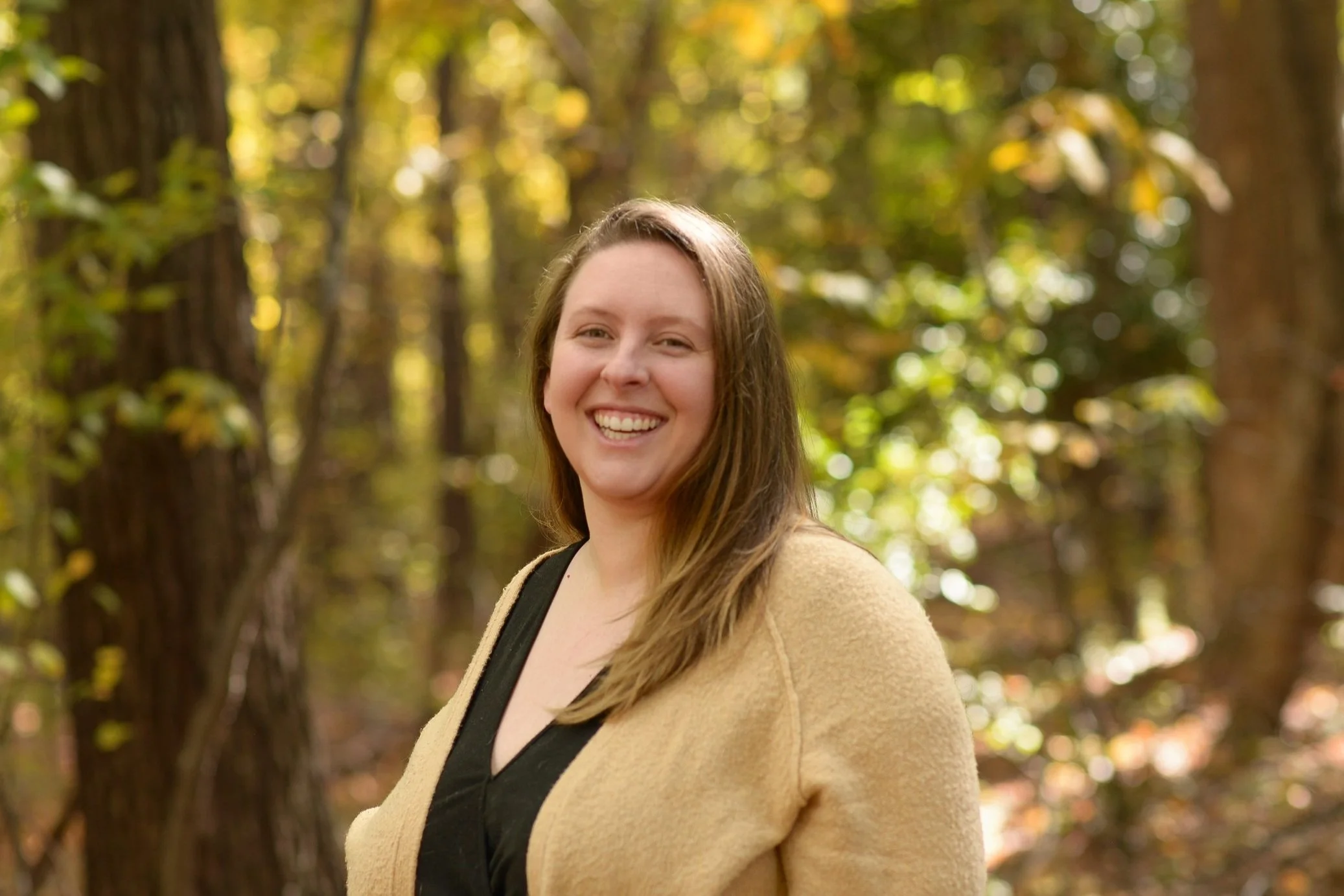
Katie Hargreaves, LCSW, LCAS is a somatic therapist licensed in California and North Carolina with over 12 years in behavioral health, including 6 years as a therapist, and more than 4,000 therapy sessions. She is a member of the LGBTQ+ community and has worked with queer and trans clients throughout her career, bringing genuine experience, not just an open door policy.
She is trained to provide gender-affirming care letters and has deep experience with religious trauma, minority stress, gender dysphoria, and identity-related anxiety.
Her therapeutic approach integrates somatic therapy, polyvagal-informed nervous system regulation, breathwork, and parts-based work. All sessions are online, 60 minutes, with up to 15 minutes for additional grounding as needed. It’s available to clients throughout California.
Step 1
Book a free 15-minute consult. We talk about what is bringing you to therapy, what you want your life to look like, and whether we are a good fit.
Step 2
Schedule your first session. 60 minutes, online, 15 additional minutes as needed to ground, and you can do it from anywhere in California.
Step 3
Start the actual work. Not just talking about your experience. Shifting how it lives in your body.

Common questions about LGBTQ+ therapy in Los Angeles
-
No. Many clients are still understanding themselves better, not out to everyone in their life, or questioning. You do not need a fully formed or publicly visible identity to access affirming care. Whatever stage you are in is valid.
-
Sessions are HIPAA-compliant using a telehealth platform. It can actually be more private than in-person. No one sees you walking into an office. You can join from your car, from a private space, anywhere that feels safe. We can also talk through specific privacy concerns during your consult.
-
Yes. I am trained to write letters supporting hormone therapy, gender-affirming surgeries, and related gender-affirming medical care in California. This can be part of a therapeutic relationship or a standalone service. Let's talk about what you need in your consult.
-
Yes: pre-transition, mid-transition, post-transition, or not sure about transition at all. I also work with clients who are exploring their gender identity without any particular destination in mind.
-
Yes. Your relationship structure is not pathologized here. It is context. I have worked with people in polyamorous and ethical non-monogamy dynamics, and people who are into kink or do sex work are welcome here.
-
Sessions are $275 for 60 minutes, private pay, with an additional 15 minutes to ground at no charge. I provide superbills for potential out-of-network reimbursement and accept HSA/FSA cards. If you would like to explore your out-of-network benefits before starting, Thrizer can run a free benefits check.
-
Yes. I see clients throughout all of California via online therapy. Wherever you are, if you have a private space and reliable internet, we can work together.
I also see LGBTQ+ clients in North Carolina.